
Tariff Shock to Tariff Relief: What the US Supreme Court Ruling Means — and Why India Might Win
FEATUREDGLOBAL TARIFFS
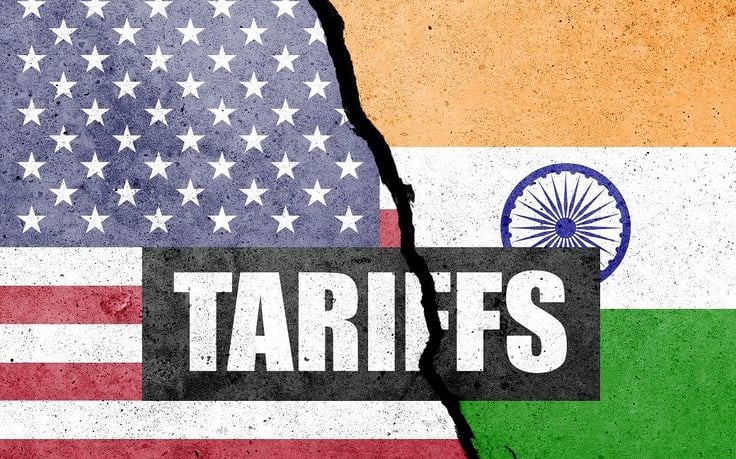
Tariffs Blocked. Markets Relieved.
Why This Matters for India.
What just happened (simple answer)
The U.S. Supreme Court struck down the part of the 2025 tariff programme that relied on emergency powers, ruling that the president didn’t have the authority to impose many of those import duties under that law. Supreme Court of the United States This immediately forced U.S. customs to stop collecting those emergency-power tariffs and created a scramble over whether importers will get refunds and how the government will replace lost revenue.
Why tariffs matter for markets — explained in plain words
Tariffs are basically taxes on goods coming into a country. When those taxes go up, imported goods cost more. Higher import prices feed into overall consumer prices (inflation). Higher inflation makes central banks less likely to cut interest rates — or pushes them to keep rates higher. And higher interest rates mean borrowing costs rise, which usually slows economic activity and weighs on stocks and risk assets. You can think of it as: tariffs → prices up → inflation up → interest rates stay high → markets struggle. Research and central-bank analysis show tariffs were a meaningful contributor to higher prices during 2025.
What the court decision changed immediately
After the ruling, U.S. Customs and Border Protection (CBP) announced it would deactivate the tariff codes linked to the emergency-power orders and stop collecting those duties — a direct operational effect that removed a major inflationary pressure almost overnight. That cleared some immediate uncertainty for global trade flows and gave markets a short-term “breathing room.” At the same time, the administration signalled it may seek alternative, slower legal routes or raise a smaller, legally defensible global surcharge — which means tariffs could return in a different form later.
How markets reacted — quick snapshot
Risk markets often move on expectations. When tariffs kept inflation and rates high in 2025, stocks and crypto were hit earlier in the year. Once the emergency tariffs were ruled illegal, global equity indexes and commodity markets showed signs of relief because the inflationary shock was reduced. Indian markets opened higher on the news, reflecting a mix of relief and rotation in investor flows.
Why this outcome could be good for India (and other exporters)
Competitiveness restored. With emergency tariffs removed, exporters in countries like India face fewer surprise barriers at U.S. ports. That improves price competitiveness for Indian goods. Several analyses and reports list India among potential beneficiaries if U.S. tariffs are rolled back or limited.
Supply-chain clarity. Businesses hate uncertainty. Removing sudden import levies calms purchasing, inventory and contract decisions — which helps exporters, shipping firms, and manufacturers.
Currency & capital flows. A less-hostile U.S. trade stance can support risk appetite for EM (emerging market) assets. That can help Indian equity markets and reduce downward pressure on the rupee that comes from risk-off episodes.
But — why India still needs to be cautious
This is not a permanent victory. The White House and trade officials can pursue other legal routes (different statutes, licensing regimes, or targeted investigations) to reintroduce levies in narrower or slower ways. Those alternatives tend to be more legally defensible but take longer and are more limited in scope. In short: relief now, uncertainty later.
Also, global trade politics may shift — the EU and others have urged clarity and could retaliate or press for different trade terms. Any renewed large-scale protectionism would again raise costs for import-dependent industries worldwide, including in India.
Practical, day-to-day consequences for India (what businesses and people should watch)
Exporters: Watch U.S. import rules for your sector. If tariffs are gone, pricing becomes more competitive; if the White House pursues alternatives, expect slower, targeted measures.
Manufacturers / Retailers: Imported input costs could ease, helping margins or allowing price cuts — but only if tariffs stay down.
Investors: Markets may rally on the relief, but keep an eye on Fed commentary and inflation data. Central banks ultimately set interest rates.
Consumers: If tariffs stay down, some consumer prices may moderate over months — but other inflation drivers (energy, wages, supply constraints) still matter.
Three scenarios to keep in mind
Quick de-escalation: Emergency tariffs gone → inflation pressure eases → central banks can consider easing later → markets improve. This is what happened in the immediate market reaction.
Replacement tariffs (limited): Government uses slower, narrower legal tools to reintroduce duties in specific sectors — this keeps some pressure on targeted industries but is less economy-wide.
Full policy tug-of-war: Prolonged trade fights, retaliations and uncertain rules → more volatility, investment caution, and supply-chain re-routing.
Bottom line — a few plain takeaways
The Supreme Court decision removed a big, immediate policy shock and gave markets breathing room.
Tariffs had been a real contributor to inflation and market weakness in 2025; removing them helps the disinflation story, but it’s not the only factor.
India could be one of the short-term beneficiaries (more predictable export access, calmer markets), but the long-run outcome depends on whether the U.S. replaces those duties with other legal measures.
What to watch for next (calendar)
Official CBP guidance on refunds and tariff codes.
Any new presidential actions invoking alternate trade laws or temporary surcharges.
U.S. inflation prints and Federal Reserve commentary — those determine the direction of interest rates and market sentiment.
Trade responses from the EU, China and other partners that could reshape the playing field.