
Why 90% of Traders Lose Money — And How You Can Avoid it This Time
TRADING PSYCHOLOGY
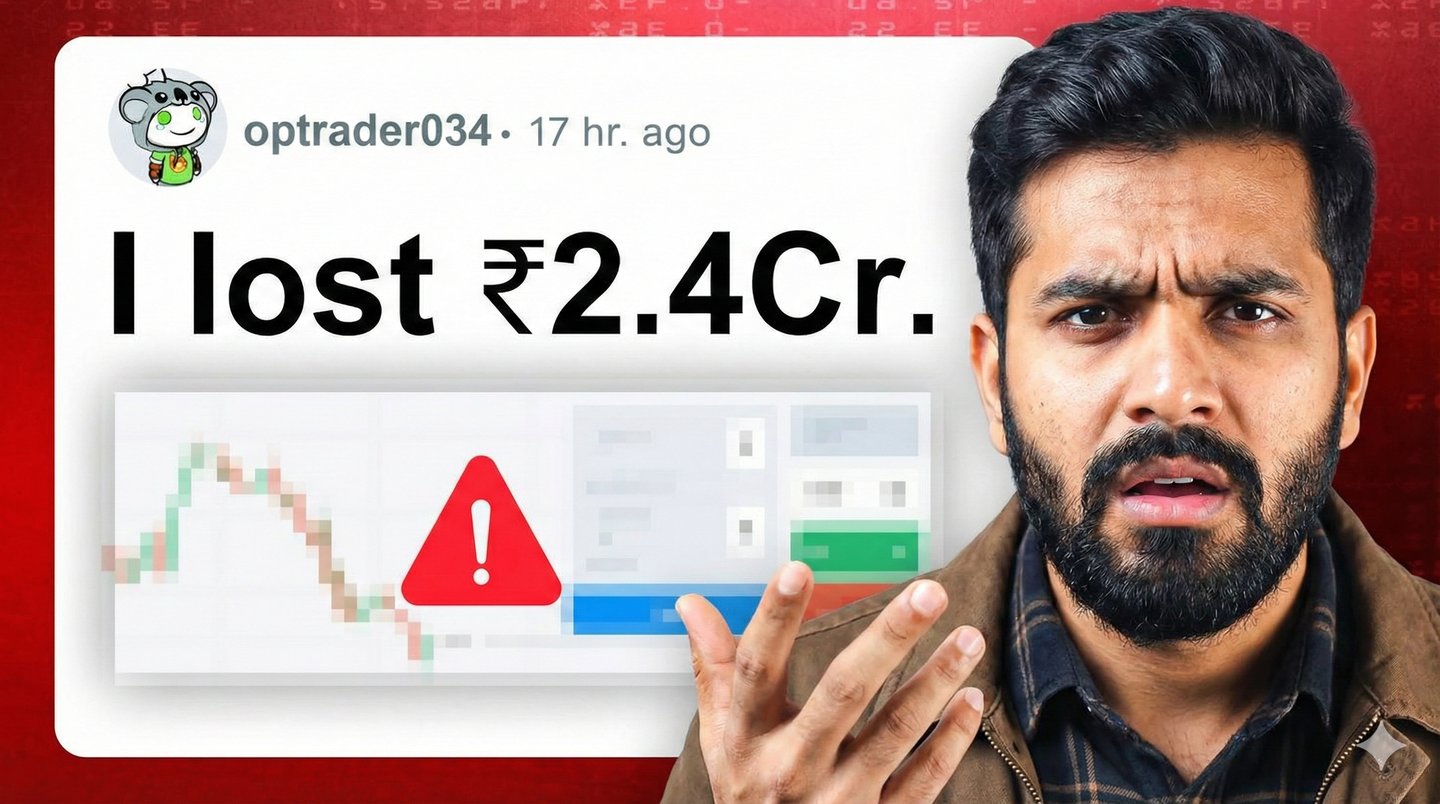
If you’ve ever:
Entered a trade because “everyone was talking about it”
Exited too early out of fear
Held losses hoping they’d come back
Overtraded after a bad day
Or felt confused despite watching charts all day…
You’re not alone.
Markets are designed to reward discipline and punish emotion.
This ebook helps you understand that difference — clearly and practically.
Every bull run creates heroes.
Every market crash creates silence.
We constantly hear stories of traders turning small capital into massive gains — Tesla options, Bitcoin early entries, meme stocks. What we don’t hear about are the millions of traders who quietly lost money and disappeared.
According to the core idea explained in Why 90% of Traders Lose Money (And How You Won’t), markets are not designed to make you rich quickly. They are designed to expose poor decisions, emotional behavior, and lack of discipline
Why 90% of Traders & Investors?
This article breaks down why most traders fail, what mistakes keep repeating, and how you can position yourself in the top 10% who survive and grow over time.
The Real Reason Traders Lose Money (It’s Not Indicators)
One of the biggest myths in trading is that people lose money because they don’t have the right strategy or secret indicator.
The ebook makes it very clear:
Most losses happen before the market even moves — in the trader’s mind
Why 90% of Traders & Investors …
Common Psychological Traps
FOMO (Fear of Missing Out) — buying after big moves
Panic selling — exiting too early to “avoid pain”
Revenge trading — trying to win back losses emotionally
Overtrading — confusing activity with productivity
A powerful example from the ebook shows how traders bought Bitcoin near its 2017 peak when Google searches for “How to buy Bitcoin” were at all-time highs — exactly when risk was highest
Why 90% of Traders & Investors …
Markets reward patience. Humans are wired for impulse. That mismatch costs money.
Overtrading: The Silent Account Killer
Many traders believe more trades = more opportunities.
In reality, overtrading slowly drains capital through fees, slippage, and emotional fatigue. The ebook demonstrates how even small per-trade costs add up to 30%+ capital erosion annually for active traders
Why 90% of Traders & Investors …
Professional traders don’t trade every day.
They wait.
Just like professional poker players fold most hands, disciplined traders pass on 90% of setups.
Gamblers vs Professionals: Same Trades, Opposite Results
One of the most important distinctions explained in the ebook is this:
Gamblers think in outcomes. Professionals think in process.
Why 90% of Traders & Investors …
Gamblers:
Trade based on feelings
Increase position size after losses
Don’t track mistakes
Need to be “right”
Professionals:
Risk only 1–2% per trade
Use stop losses every time
Maintain a trading journal
Accept losses as business expenses
Two traders can take the same trade and still end up with opposite results — because position sizing and risk management matter more than entry price.
Why Indicators Don’t Fail — People Do
The ebook strongly emphasizes that indicators like RSI, MACD, and moving averages are not broken.
They are:
Lagging tools
Context-dependent
Confirmation tools — not prediction machines
Most traders stack indicators hoping for certainty. Professionals simplify, focus on price action + context + risk control
Why 90% of Traders & Investors …
The Probability Mindset That Changes Everything
Winning traders don’t aim to be right often.
They aim to have a positive expected value.
The ebook explains this using a simple but powerful framework:
You can win only 40% of trades
Still be profitable
If your winners are larger than your losers
This is why:
Cutting losses early
Letting winners run
Maintaining discipline
…matters more than prediction.
When NOT to Trade (This Alone Can Save You Money)
The ebook highlights specific high-risk moments when most retail traders lose money:
Market open & close volatility
Major news events (Fed decisions, earnings)
Emotional states (anger, stress, desperation)
Trades that don’t meet your checklist
Sometimes, the best trade is no trade
Why 90% of Traders & Investors …
The Framework That Separates the 10% From the 90%
If there’s one core message repeated throughout the ebook, it’s this:
Trading is a business, not a thrill ride.
The top 10%:
Obsess over risk management
Trade less, but better
Journal consistently
Review mistakes honestly
Think in probabilities
Stay patient during boredom
The 90% chase excitement.
The 10% chase survival.
Final Thought: This Isn’t About Getting Rich
As the ebook clearly states, this is not a “get rich quick” guide.
It’s about:
Not blowing up the capital
Avoiding common psychological traps
Staying in the game long enough for compounding to work
“This book isn’t about making you rich. It’s about keeping you from being poor.”
Why 90% of Traders & Investors …
Want to Go Deeper?
This blog only scratches the surface.
The ebook dives deeper into:
Real trade examples (stocks, crypto, gold)
Position sizing math
Trade journaling frameworks
Emotional control techniques
A complete checklist-based trading process
👉 If you’re serious about not being part of the 90%, download the ebook and study it slowly.
Not for motivation — but for discipline.
Because in markets, survival always comes before profits.
📘 Why 90% of Traders Lose Money (And How You Won’t)
Start by avoiding the mistakes that destroy most accounts.
Because in markets, Survival comes before profits.
👉 Enter your Email Address and Get the ebook now