
Why Gold Prices Are Falling Despite War
IRAN ISRAEL WARGOLD
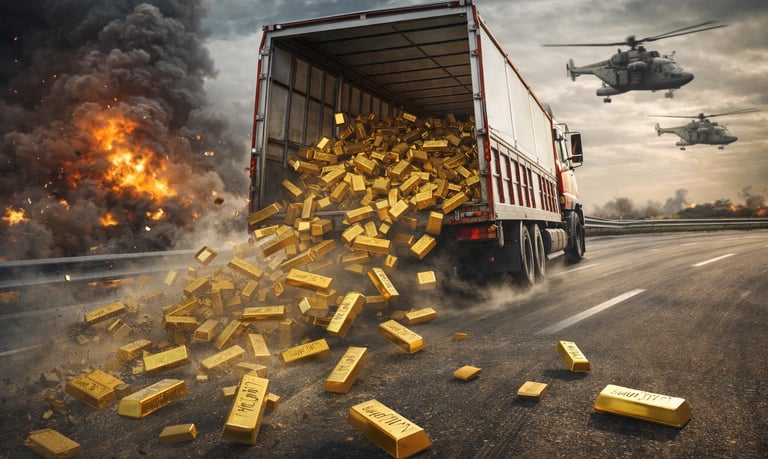

When geopolitical tensions rise, especially during wars, gold is usually the first asset investors rush to. It has always been considered a “safe haven” — a place where money feels secure when everything else looks uncertain.
But this time, something unusual is happening.
Even with rising tensions in the Middle East and crude oil prices crossing major levels, gold prices have been falling instead of rising. For many investors, this feels confusing and even contradictory.
So what’s really going on?
📉 The Reality: Markets Are Not Always Emotional
At first glance, it seems logical that war should push gold prices higher. However, markets don’t react to just one factor. They respond to a combination of macroeconomic forces, investor behavior, and expectations about the future.
Right now, those forces are working against gold.
💵 A Strong US Dollar Is Pulling Gold Down
One of the biggest reasons behind falling gold prices is the strength of the US dollar.
When global uncertainty rises, investors often move their money into the US dollar because it is considered the most stable currency in the world. As demand for the dollar increases, its value rises.
Gold and the dollar typically move in opposite directions. So when the dollar becomes stronger, gold becomes less attractive and its price tends to fall.
📊 Rising Interest Rates Are Hurting Gold
Another major factor is interest rates.
Gold does not generate any income — no interest, no dividends. So when interest rates rise, investors prefer assets like bonds or fixed-income instruments that actually pay returns.
Due to the ongoing conflict, oil prices have surged, which is increasing inflation. To control this inflation, central banks are expected to keep interest rates higher for longer.
This directly reduces the appeal of gold.
⛽ Oil Is Stealing the Spotlight
In the current situation, oil has become the main focus of global markets.
The war has disrupted supply routes and pushed crude oil prices above $100. This has created a huge opportunity in energy-related investments, attracting significant capital.
As a result, money that would normally flow into gold is now being diverted into oil and energy sectors.
💰 Investors Are Booking Profits
Another important reason is simple — profit booking.
Gold had already rallied strongly before the conflict escalated. Many investors had made significant gains during that phase.
When uncertainty increases, traders often sell profitable assets like gold to lock in gains or to manage losses in other parts of their portfolio.
This selling pressure pushes prices downward.
🔄 Shift Toward Other “Safe” Assets
Interestingly, gold is no longer the only safe haven.
Investors today have multiple alternatives:
US Treasury bonds
Cash (US dollar)
Even digital assets like Bitcoin in some cases
Because of this diversification, gold is not receiving the same level of demand it used to during crises.
🧠 The Bigger Lesson: Markets Are Forward-Looking
One of the biggest mistakes investors make is assuming that markets react only to current events.
In reality, markets are always looking ahead.
Right now, investors are more focused on:
Inflation risks
Interest rate policies
Global economic slowdown
These factors are stronger drivers than the war itself.
⚠️ So, Should You Be Worried?
Not necessarily.
Gold’s current fall does not mean it has lost its long-term value. In fact, such corrections are often temporary and driven by short-term market dynamics rather than fundamental weakness.
🔥 Final Takeaway
This situation highlights an important truth:
👉 Gold does not always rise during war.
👉 It rises when conditions favor it.
Right now:
Strong dollar ❌
High interest rates ❌
Capital shifting to oil ❌
Profit booking ❌
All of these are outweighing the “fear factor” of war.
🧠 What Smart Investors Understand
Instead of reacting emotionally, experienced investors focus on understanding why markets behave the way they do.
Because in the end…
👉 Markets don’t move on headlines.
👉 They move on money flow.